

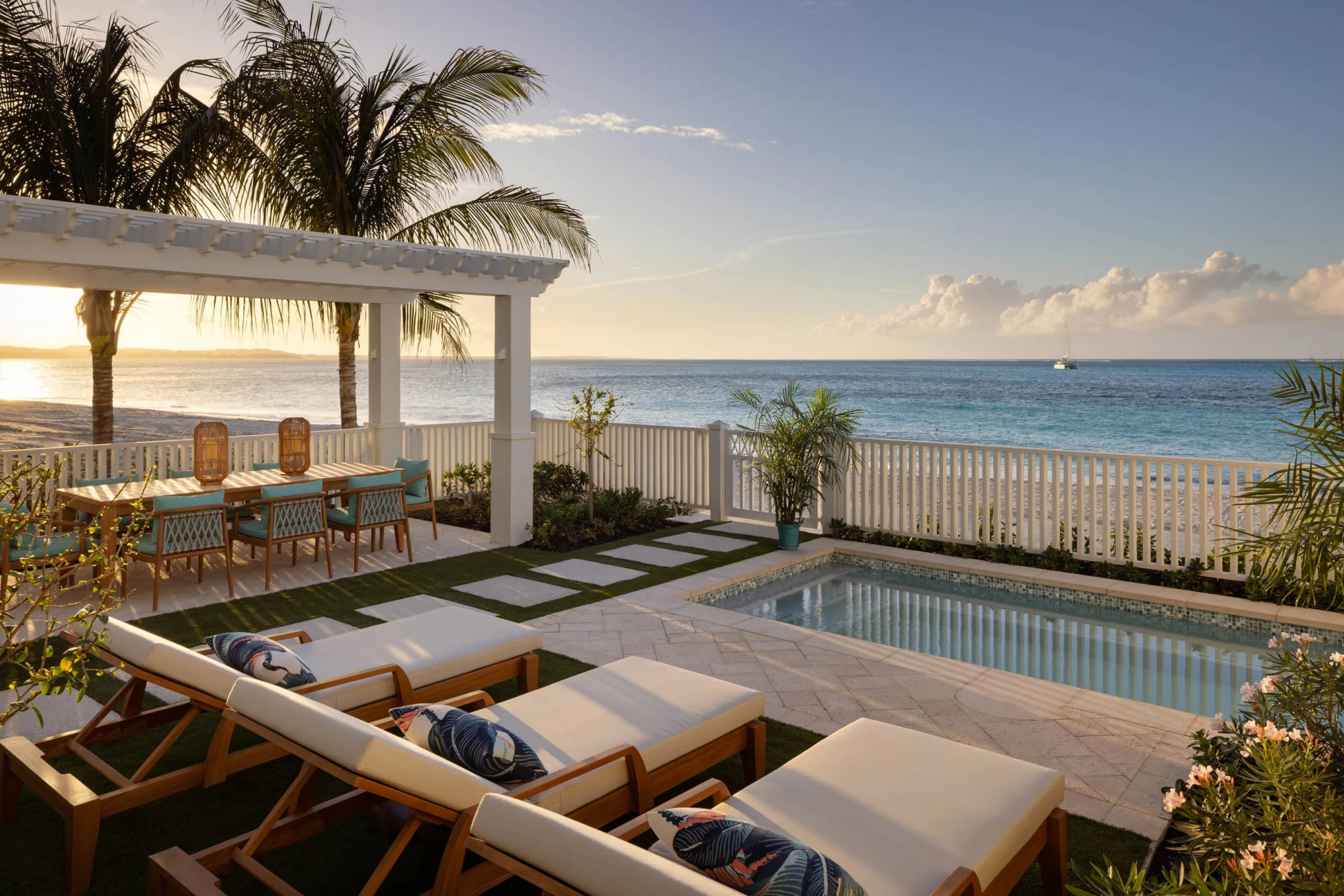
It took a few left turns, a lot of free jobs and even more persistence for Shawn Talbot to develop the incredible luxury resort photography portfolio and reputation that he has today. Looking back at his younger self—a photographer just starting out with big dreams of capturing awe-inspiring hotels—what advice would he give?
#1
Your trust is more important than your photographs
“In the early days, I thought my photographs, and maybe the pricing, were the two most important parts of getting work,” says Shawn, who started out in commercial photography 25 years ago. “I came to realize pretty early on that it’s the trust and relationships you build that maintain your photography business.”
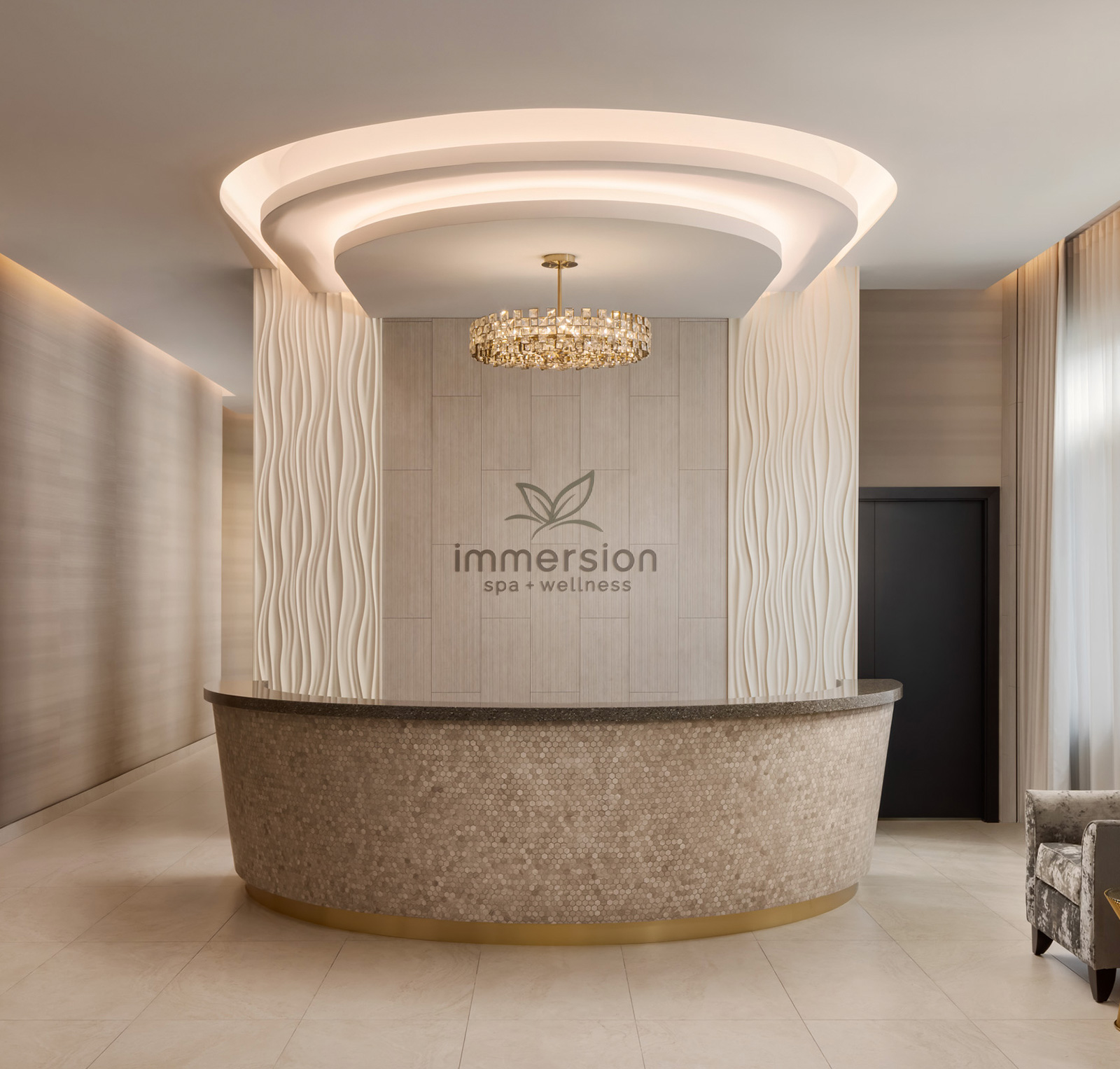
Shawn says there are a handful of ways that he takes care to build the trust clients come to value as much as his hospitality photography expertise.
- Under-promising and overdelivering, whether that’s the delivery timeframe or the number of images.
- Being nice to work with. Sounds simple, and it is.
- Being accommodating with licensee terms. You don’t have to “give away the farm,” Shawn says, but make life easier and streamline the process for hotel and resort marketing teams to use the photos they’ve invested in.
And when you’re great to work with and you’re doing great work, that’s where clients are apt to hire you again and again, and tell others.
“Clients trust me because they know they won’t have any surprises.”
#2
Go ahead and shoot for free if you’re just starting out
“The worst advice I ever got was to maintain your pricing and charge what everyone else is charging, and not to let the client get away with a cheap rate,” says Shawn. “But if you have no portfolio and no reputation and you’re trying to charge what the pros are charging, that’s going to be tough.”
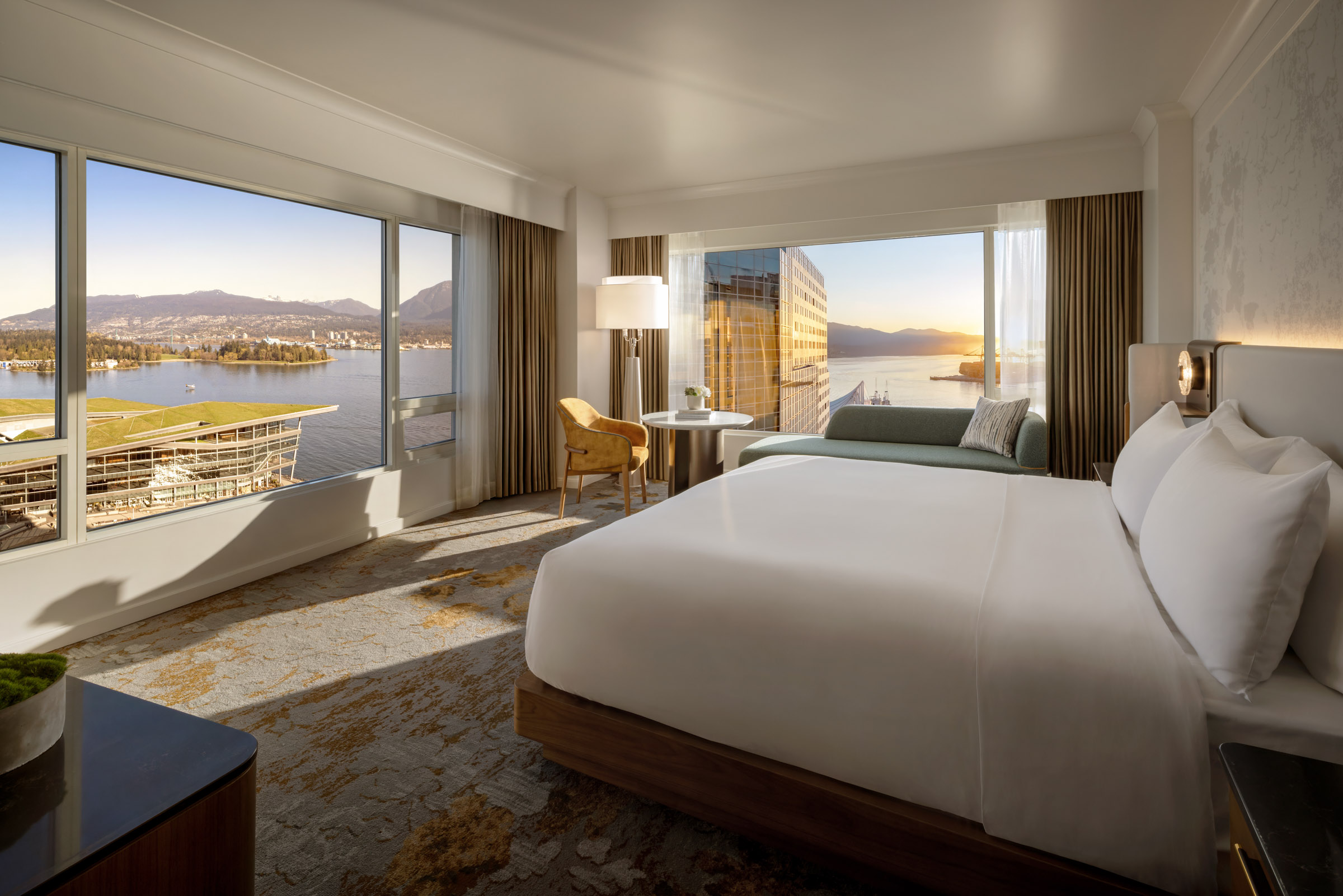
With decades of hospitality photography experience behind him, he tells younger photographers to go ahead and be cheap if it will get you in the door of a venue that speaks to you and would make an incredible impression in your portfolio.
“You have to find a way to shoot the projects you really want to shoot, even if that means doing it for free. Getting that work in your portfolio that will add a lot of value and developing your skills as a photographer is critical.”
Even now, when Shawn’s traveling for pleasure, he’ll occasionally offer to trade a free stay.
“If you have the chance to shoot an amazing hotel in another country, there’s nothing wrong with that if you’re just starting out,” he says. “You’re only as good as the worst thing in your portfolio. Eventually, you get better and bigger jobs. If I really want to make it in luxury resort photography, I need to get access to incredible places. Maybe that means I have to go shoot a hotel in Dubai for free to really enhance my portfolio.”
#3
Say no to the wrong projects
Let’s say you’ve been asked to shoot a wedding, but your heart is in architecture and hotels. As a newly self-employed photographer, it’s tempting to take any and every job that comes your way. Shawn knows this first-hand.
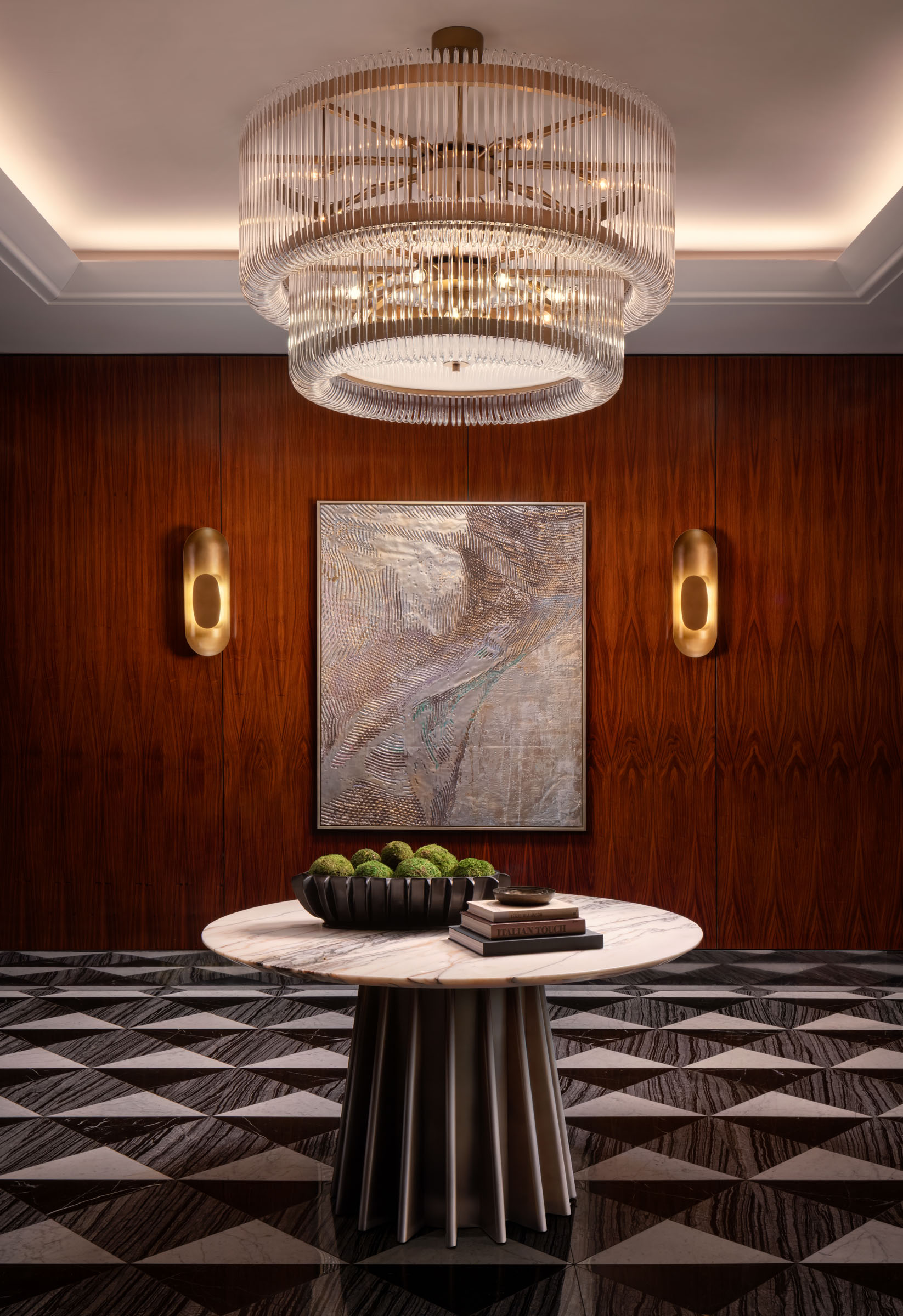
“Knowing when to say no is important,” says Shawn. “I wish I had pigeon-holed myself earlier.”
Like many young photographers, in the early days, he shot everything, from advertising to portraits to real estate—even though, early on, he knew that architecture photography and hospitality photography were what really lit up his heart.
Eventually, he began to focus strictly on hospitality shoots, and, a decade later, Shawn is now a sought-after luxury hotel photographer who has captured some of North America’s finest destinations.
“Becoming an expert in my field made a huge difference for me. Had I focused on one thing, I think I’d be a lot further ahead today. If I could go back, that’s definitely something I would have done sooner.”
There’s another more practical reason for choosing the projects you’ll love:
“You’re going to spend a lot of time editing those photos.”
#4
Get business savvy
Yes, you are an artist, but you’re also running a business. Without equal attention, says Shawn, “You probably won’t last.”
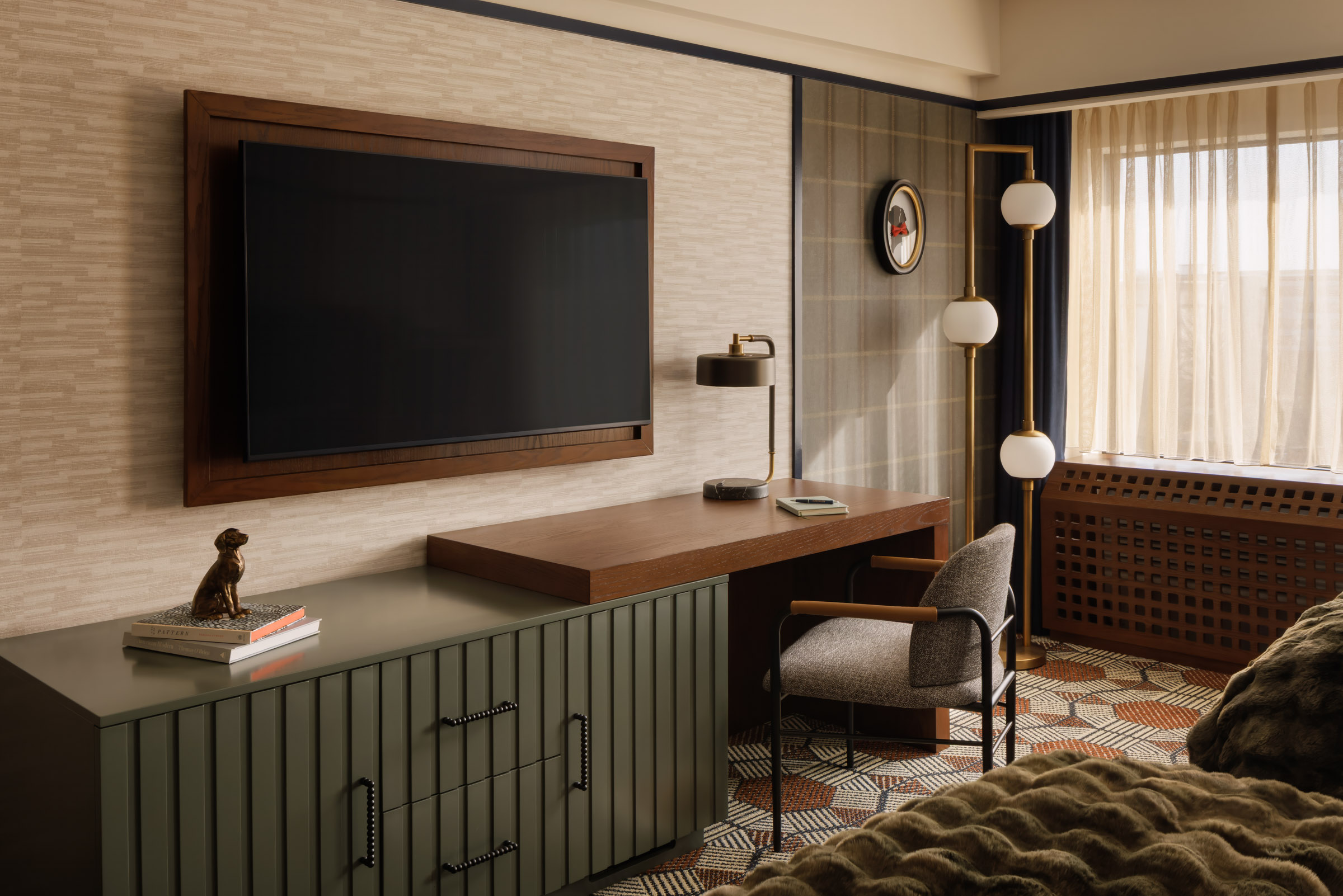
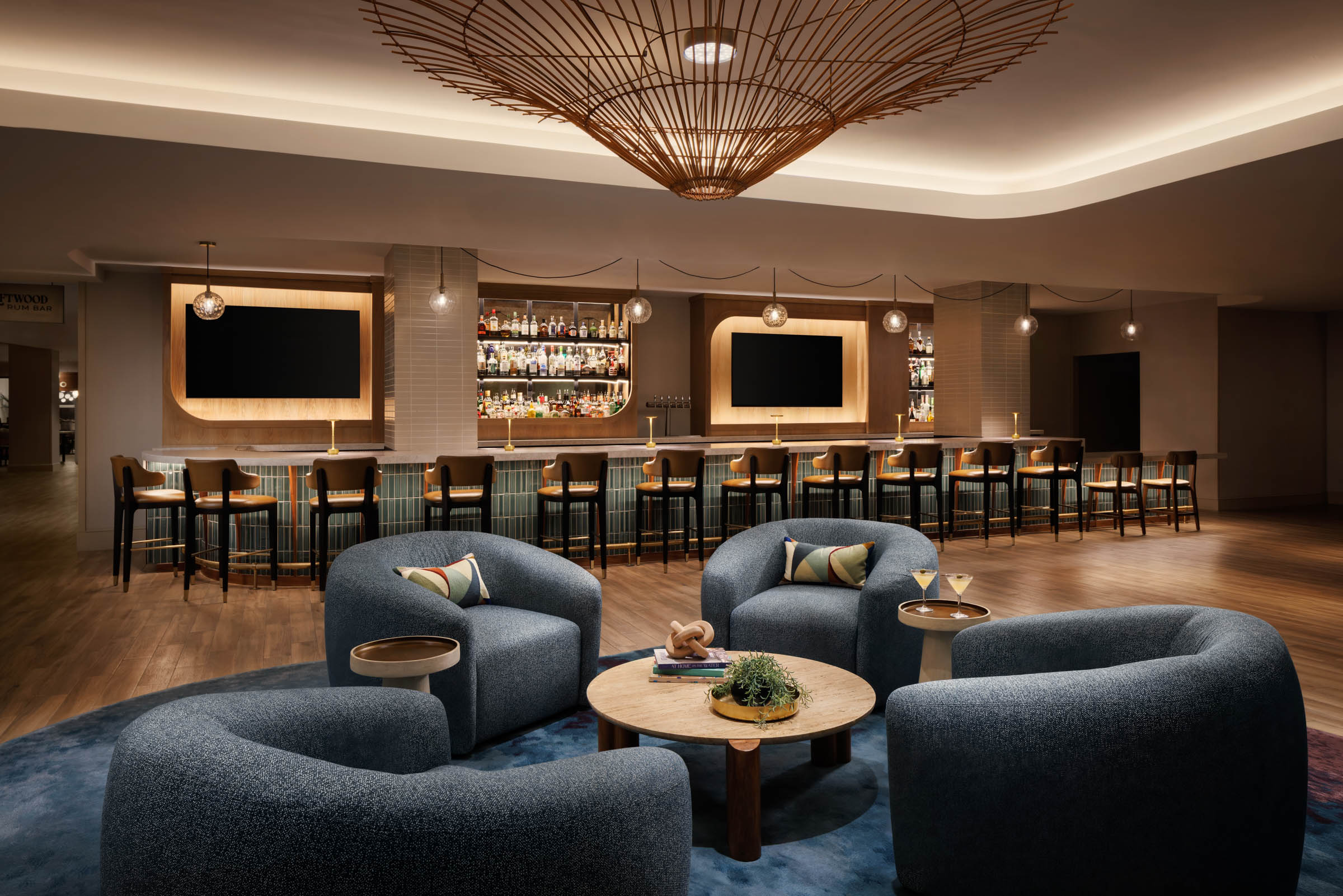
Areas of running a successful business he suggests photographers focus on include:
- Understanding business structures, i.e. choosing to stay as a sole proprietorship or become incorporated.
- Understanding contracts and NDA’s (non-disclosure agreements) so you understand the fine print of copyright terms coming from clients.
- Hiring a lawyer to develop your own forms, including a model release form and a property release form.
- Maintaining client relationships in a way that’s mutually beneficial. “You want clients to feel happy, but you also need to assert your rights in a way that’s positive and respectful.”
- Hiring other service professionals to support your work and let you focus on the photographs, whether that’s a bookkeeper and/or an accountant, or a marketing assistant.
- Not being afraid to send the invoice and ask to get paid.
#5
Get smart about photography gear
“In the beginning,” says Shawn, “there can be this feeling that to be a great photographer, you need to have all the best equipment.”
“What I say now is, investing in your education and your lighting and editing skills is more important than the latest camera or the latest lenses.”
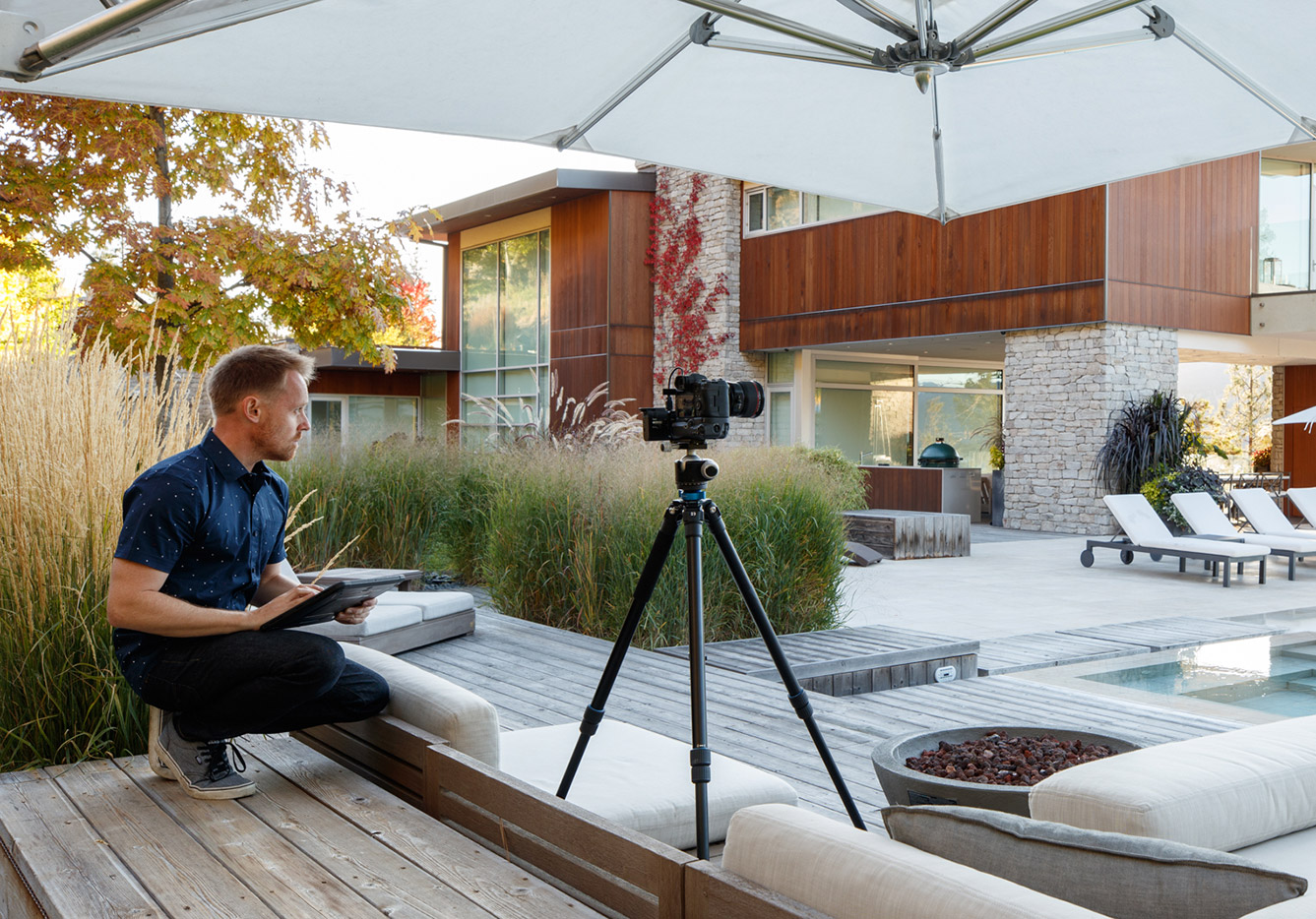
You don’t need the latest gear or all the gear to create exceptional photographs.
“It actually teaches you to be a better photographer when you have to innovate a bit,” says Shawn.
There’s also the practicality of doing more with less.
“There’s a piece of gear for everything, but you also can’t carry everything.”
What are Shawn’s go-to photography essentials for photographing distant luxury hotels and resorts? For example, instead of hauling all the lighting gear ever made, he often packs a white tablecloth and tape to balance light in a doorway and sheets of black plastic to remove reflections from glass.
#6
Bring an assistant or two to the shoot
Last, but not least, is the photographer beside you.
Shawn started out as an assistant for a commercial photographer in Vancouver. That photographer took two assistants to every shoot. Shawn says: “He told me, never do a shoot without at least one assistant.”
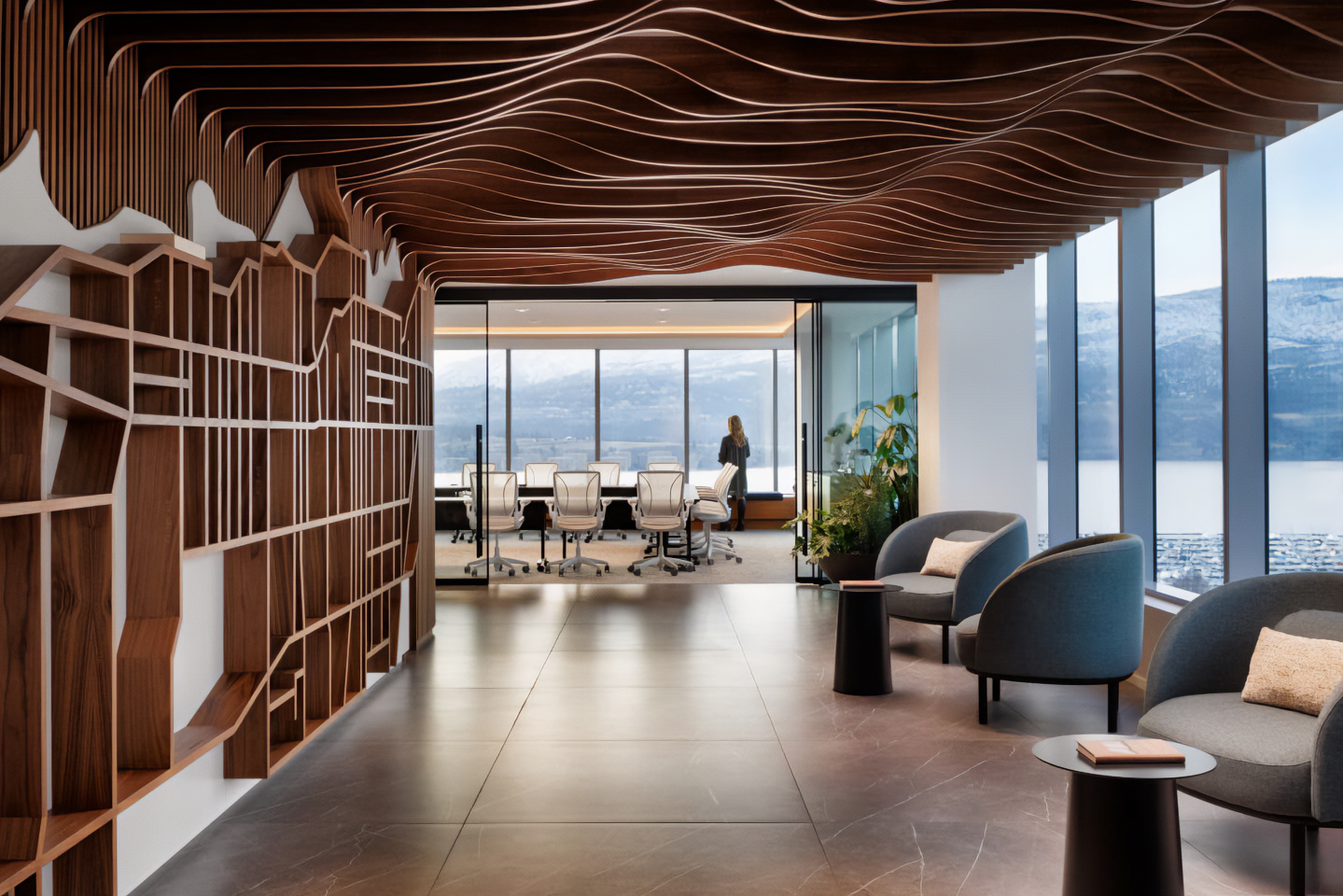
There are always, always, things that come up—and the assistant’s work is just as important as your own.
Depending on the size and scope of a hospitality shoot, Shawn typically brings one assistant to focus on lighting and equipment and another who is a stylist, making pillows look perfectly fluffed and adding décor in a hotel room.
“I also always tag them in my posts. They’re critical to the composition of every shoot and they deserve credit.”
Learn more about what it takes and all his insider tips in the article: Top Secrets of a Hospitality Photographer.